
Listen to this article
interior drainage of waterproof slabs with drains and asphalt blanket will show you how to keep your slab dry and protected. You'll see how asphalt blanket shields the slab, like the drains prevent puddles and seepage, what are the important pieces of the system, and how to design and install everything step by step. You will also learn how to make maintenance easy and what to do when a problem arises, all in easy words for you to understand and take care of your slab.
Key learnings
- Place the drains at the lowest points of your slab.
- Make a slight slope so that the water flows into the drain.
- Use a waterproof blanket under your slab to prevent leaks.
- Keep your drains clean and free of dirt.
- Always check that the water is draining properly.

Why choose interior drainage of waterproof slabs with drains and asphalt blanket?
The choice of interior drainage of waterproof slabs with drains and asphalt blanket is like putting a large umbrella over your slab: you protect yourself from rain and seepage. When you install asphalt blanket With well laid drains, the water has a way to escape and doesn't get trapped. This prevents stains, bubbles and that bad musty smell.
You pay once and avoid multiple repairs later. The blanket acts as a waterproof layer that covers the slab, and the drains pull the water away, like a funnel. This way the slab dries quickly and the lifespan of your roof increases. What's more, this combination is practical for maintenance: if a drain clogs, you clean it; if the blanket needs repairing, you just replace the bad part.
How the asphalt blanket protects your slab
A asphalt blanket is a layer that prevents water from entering the slab. It is glued or welded onto the concrete, forming a continuous barrier. As well as stopping water, the blanket protects against temperature variations and small movements of the slab, reducing cracks and future infiltrations.
How drains for internal slabs prevent puddles and seepage
The internal drains are outlets that draw water from flat areas into the sewer. Without them, water accumulates in puddles and increases the risk of seepage into the walls. Drains with grates prevent leaves and dirt from entering the pipe, making maintenance easier and preventing blockages.
Fast benefits and easy drainage for slabs
With asphalt shingles and internal drains you win immediate protection, It's a simple solution that works as a good rain cover for your home.
Essential components of slab drainage with drains
A interior drainage of waterproof slabs with drains and asphalt blanket starts with simple parts that work together. Think of the slab as a flat roof: the asphalt blanket holds the water up there, the siphoned drains pull the water down, and the tubes take this water away. Each component has a clear role: the blanket prevents infiltration; the drains control the flow and prevent odors; the pipes, grates and inspection boxes conduct and protect.
When setting up the system, think of the water path as a road. A slope and the correct joints ensure that the water flows without stopping. Inspection and rain tests are simple steps that show if everything is right before covering the slab.
Siphon drains for slabs: what they do and why they are used
The siphoned drains have a water seal that prevents sewage smells and insects from getting back into the building. They also help reduce noise and make cleaning easier.
Asphalt blanket, pipes and grates in the slab drainage system
A asphalt blanket is the protective cover: it must be well adhered and without tears. The tubes conduct the water to the sewage system or collection box, and the grids protect drains from dirt and stones. Check the connections and slope, because even a good blanket won't solve the problem if the water remains stagnant.
Main components:
- Siphoned drains
- Asphalt blanket
- Tubes
- Grilles
- Inspection boxes
Check every part before starting work
Before you start, touch, look and do a quick test with water. Check creases, sizes, seals and that the blanket is tear-free. Replace or adjust any parts that look weak - it's cheap to fix before finishing.
Internal slab drainage project with internal drainage of impermeable slabs with drains and asphalt blanket
A interior drainage of waterproof slabs with drains and asphalt blanket is used to remove water from the slab and prevent it from dripping into the house. You place the asphalt blanket on top of the slab to keep the water out, and the drains are the straws that carry the water away.
Underneath the blanket and the finish, you need to create a inclination and a clear path for the water to flow to the drains. The slab usually receives a layer of regularization or a light layer of concrete to form the ramp; the blanket must be well bonded and the drain must be with flange to fix the blanket and prevent seepage.
In the end, the project must take into account space for maintenance, access to the drain and the exit point of the pipe. Do a water test before final finishing to make sure there is no puddling.
How to calculate the number of drains and the slope of the slab
To find out how many drains you need:
- Measure the area (m²).
- See rainfall intensity (mm/h).
- Calculate the volume of water per hour (area × intensity).
- Check the flow capacity per drain (manufacturer's table).
- Divide the total volume by the capacity of each drain and add a safety margin.
The recommended slope for internal slabs is usually between 1% and 2% (1 to 2 cm of fall per meter). On large slabs, distribute drains at low points.
Choosing drains for internal slabs and drainage capacity
Choose drains with siphon e flange, If you are looking for a grill, choose resistant materials such as quality stainless steel or PVC, and grates that can support the floor. Consult technical sheet and, if in doubt, install an extra drain in larger areas.
Use local regulations and simple measures to ensure drainage
Check the local standards and your city's rainfall parameters. Measure the area, use 1-2% of slope, check the capacity of the drains and leave access for maintenance.
Step-by-step installation of slab drainage with drains and asphalt blanket
Here's a clear path to install interior drainage of waterproof slabs with drains and asphalt blanket.
- Gather tools and materials: asphalt, primer, sealant, drains, pipes and light mortar.
- Check the slope (1% to 2%) and mark the low points where the drains go.
- Prepare the slab: clean, repair cracks and holes with mortar.
- Apply primer and wait for it to dry.
- Lay the blanket with an overlap (at least 10 cm); make corners and edges around the drains with sealant or reinforcing strips.
- Position and seal the drains at the lowest points; connect the pipe to the manhole or building network.
- Test with water before final finishing: leave for a few hours and check for leaks.
Prepare the slab and apply the asphalt blanket correctly
Clean the slab well, correct cracks, apply primer. Unroll the blanket and overlap the sheets correctly. If using a flame blanket, heat carefully; if self-adhesive, press to eliminate bubbles.
How to drain slabs with drains: installing drains and connecting to the drainage system
Position the drains at the lowest points and secure them to the blanket with grommets. Connect the drains to the pipe with suitable bends and sleeves and direct them to the manhole. Test the laying with water.
Test the system with water before finishing
Fill the area or pour water on high points and observe the drainage and possible leaks for a few hours.
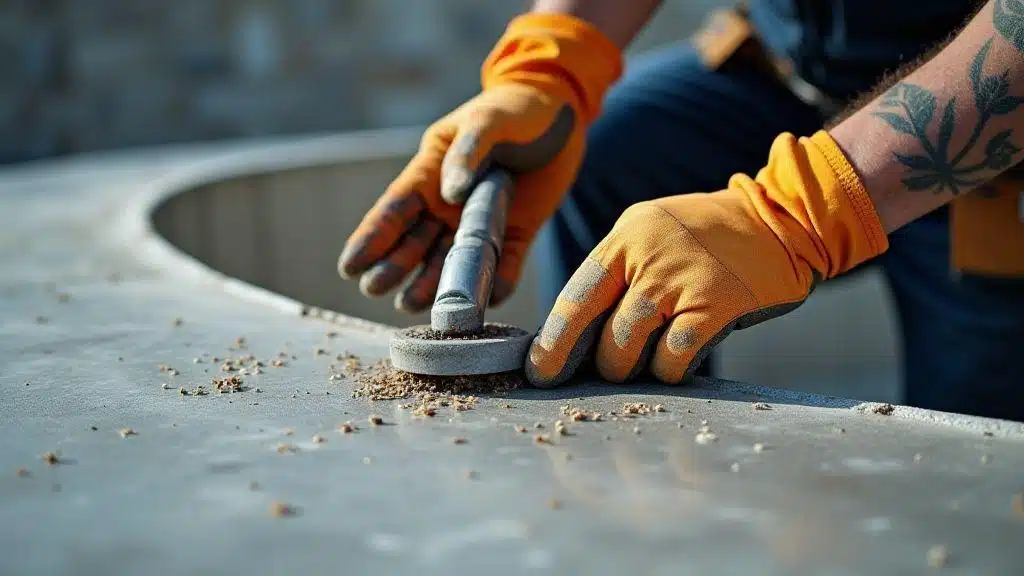
Slab drain maintenance: an easy and safe routine
A maintenance drains maintain interior drainage of waterproof slabs with drains and asphalt blanket and avoid surprises in the rainy season. Make simple, regular checks to keep the flow free.
Start by looking at the drain: if there are leaves, dirt or grime, the water won't flow. Use gloves and a hose to clean; check that the grate is tight. Small repairs now save time and money later.
Stick to the routine like a habit: quickly and often. Make a note of when you last cleaned and also check that there are no pockets of water on the slab.
Regular cleaning to avoid clogging and water pockets
Clean drains before the rainy season and after strong winds: remove leaves, branches and sand. A simple procedure:
- Remove dirt with gloves;
- Hose it down;
- Check the flow;
- Clean the grill;
- Repeat if necessary.
After cleaning, pour water to test the path: if it goes down quickly, it's fine. If it takes a while, continue removing dirt or call for help.
Inspection of the asphalt blanket and quick repairs to prevent infiltration
Look for cracks, blisters or loose areas on the asphalt blanket. Small patches with proper putty or tenacious tape solve a lot. If the damaged area is large, call in a professional.
Have it serviced at least twice a year
Maintenance is recommended twice a year, ideally before and after the rainy season, and always after heavy rainfall.
Common problems when draining slabs with drains and how to solve them
A slab that doesn't drain well generates puddles and stains. The problem often stems from a lack of slope or a poorly placed drain. When the slab has asphalt blanket and drain together, we're talking about interior drainage of waterproof slabs with drains and asphalt blanket - you need to be careful so that the water comes out properly and the waterproofing doesn't fail.
Other problems: clogged drains, loose grates, full manholes, poorly adjusted connections between drains and pipes or carelessly made cuts in the blanket.
Slab puddles: causes and solutions
Causes: lack of slope, clogged drain, depressions in the regularization compound. Solution: clean drain and box, correct slope with new regularization layer, adjust drain and repair waterproofing.
Bad smell or water backflow: check drains and connections
A bad smell could be a dry siphon or the wrong connection. Check the siphon for water, clean the grate and check the connections. If the blanket is torn near the drain, repair the waterproofing.
Know when to call a professional to fix leaks
Call a professional if:
- there are spots that grow;
- mold that keeps coming back;
- water appearing inside the lining;
- asphalt blanket visibly damaged near the drain.
Quick checklist before calling the professional:
- Check that the drain is clean and the grate is fitted.
- Make sure there is water in the siphon.
- Look for damp spots on the ceiling or wall.
- Notice if the smell returns even after cleaning.
Practical summary: why invest in interior drainage of waterproof slabs with drains and asphalt blanket
A interior drainage of waterproof slabs with drains and asphalt blanket protects your slab, facilitates maintenance and increases the system's durability. It's an investment that reduces the risk of infiltration and avoids costly renovations in the future.
Conclusion
You have learned that interior drainage of slabs with drains and asphalt blanket works like a big umbrella for your slab: it protects it, keeps the water flowing and prevents problems. Place the drains at low points; give the slope (1%-2%); cover with a well-placed asphalt blanket; test with water; clean the drains regularly. Small steps, big results. If water insists on getting in, call a professional.
Want more easy and useful tips? Come and read other articles at https://dicasdereforma.com.br - your slab will thank you!
Frequently Asked Questions
- What is interior drainage of slabs with drains?
- It's a way of removing water from the slab using well-placed drains to direct the run-off.
- Why use floor drains?
- Drains collect water and send it away, preventing puddles and seepage.
- Can I do it myself at home?
- Yes, if you know how to measure and use tools. In complex cases, call in a professional.
- How do I level the slab?
- Leave the slab sloping between 1% and 2% towards the drain to ensure drainage.
- Do I need to use asphalt?
- Yes. The blanket protects the slab from water and prevents infiltration when properly applied.
- Which is better: center drain or edge drain?
- Central drains catch more water; edge drains can be easier to install. It depends on the project.
- How to clean drains?
- Remove the lid, remove dirt with gloves and rinse with a hose; do this regularly.
- How much does simple drainage cost?
- The price varies according to the area and materials. Ask for quotes.
- Is the asphalt blanket easy to crack?
- No. It is sturdy, but requires care when handling to avoid punctures.
- Can I use interior drainage of waterproof slabs with drains and asphalt blanket on a balcony?
- Yes, this system works well on balconies and terraces.
- What if the water still seeps in?
- Check joints, drains and the blanket; repair quickly or call in a professional.
- How long does this system last?
- Well cared for, it will last for many years; regular maintenance and checks will extend its service life.
- Do I need a license to install?
- It depends on your city. Check with the town hall before starting work.