
Listen to this article
If you're wondering how to make a drywall structure for partitions, you're in the right place! In this article, you'll learn all about the materials needed, the essential tools and the process steps assembly. Let's explore the installation techniques, the tips for quick assembly and the common mistakes that should be avoided. We will also discuss the finishes and maintenance necessary to ensure that your drywall structure is perfect. Get ready to transform your space in a practical and efficient way!
Main conclusions
- Choose the right cutting tool.
- Measure the space before buying drywall.
- Use supports to keep the structure steady.
- Sand the edges to a smooth finish.
- Follow the manufacturer's installation instructions.
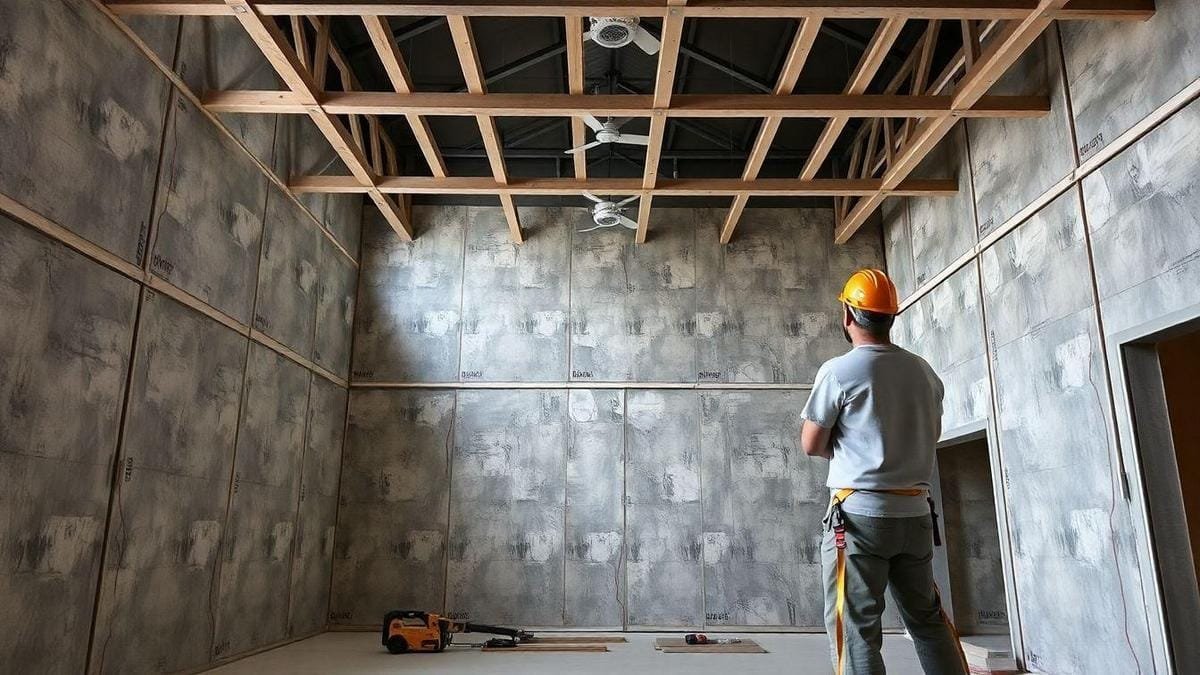
Materials Needed for Drywall Framing
Types of Materials Used
When you decide making a drywall structure, It is important to know what materials you will need. Here are the main ones:
- Drywall sheets: Available in different thicknesses and types, such as moisture-resistant.
- Metal profilesUsed to support the plates. You will find U and C profiles.
- Drywall screwsThey fix the plates to the profiles.
- Joint tape: To cover the seams between the boards.
- Joint compound: For a smooth finish on seams.
Essential tools for installation
Having the right tools is fundamental to the success of your project. Here are a few that you can't do without:
- Drill: To fix the screws.
- Drywall sawTo cut the boards to size.
- LevelTo make sure everything is aligned.
- Measuring tape: To measure precisely.
- SpatulaTo apply the putty to the joints.
How to choose the right materials
Choosing the right materials can make all the difference. Here are some tips:
- Check the humidityIf the area is humid, opt for moisture-resistant boards.
- Consider SpaceFor small areas, thinner plates may be sufficient.
- Search for suppliers: Compare prices and quality before you buy.
| Material | Type | Use |
|---|---|---|
| Drywall sheets | Moisture resistant | Bathrooms and kitchens |
| Metal profiles | U and C | Support structure |
| Screws | Drywall | Fixing the plates |
| Joint tape | Paper or fiber | Finishing the seams |
| Joint compound | Acrylic | Smooth finish |
Stages of the Assembly Process
Drywall Walkthrough for Beginners
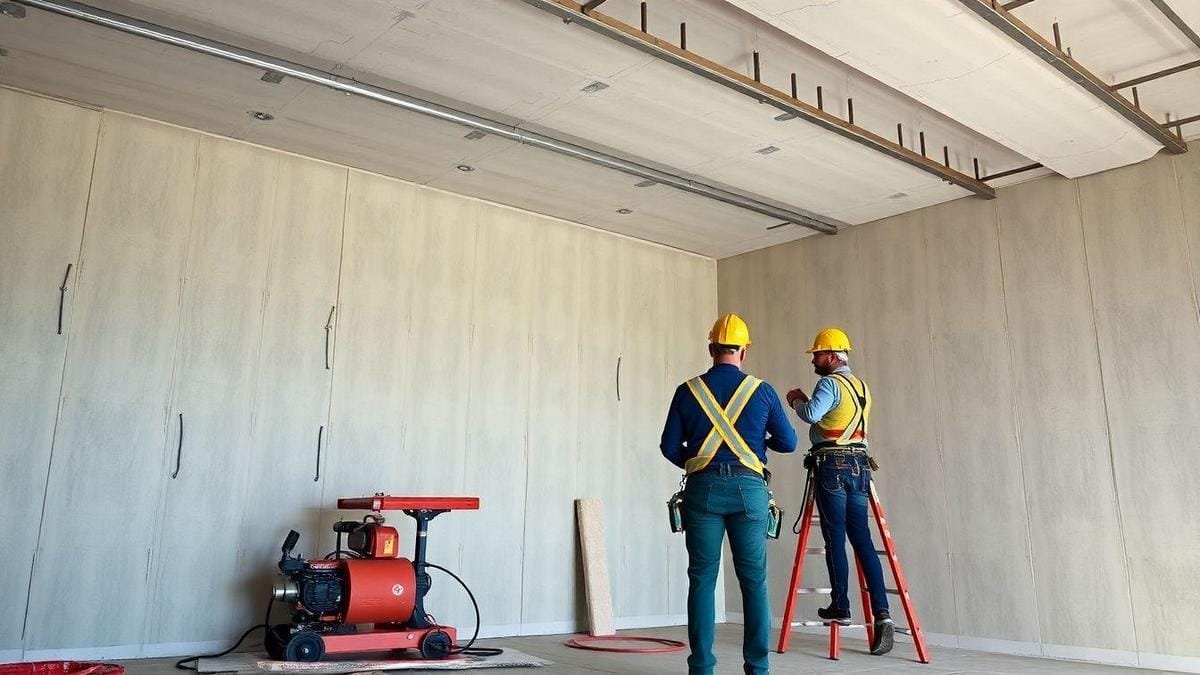
If you are thinking of how to make a drywall structure for partitions, you're in the right place. Drywall is a practical and efficient solution for creating new spaces. Let's explore the step-by-step process to make your journey easier.
- Materials needed:
- Drywall sheets
- Metal profiles
- Drywall screws
- Paper joint tape
- Finishing putty
- Tools: drill, saw, level, tape measure, trowel
- Assembly steps:
- Planning: Define the measurements and layout of the room.
- Metal structure: Install the metal profiles on the floor and ceiling, following the measurements.
- Fixing the PlatesCut the drywall sheets and fix them to the profiles with screws.
- FinishingApply the tape to the joints and cover with putty. Sand for a smooth finish.
Preparing the space for installation
Before you start setting up, it's crucial to prepare the space. Here are some tips to ensure that everything goes according to plan:
- Site cleaning: Remove any furniture or objects that might get in the way.
- Check the measurementsUse a tape measure to ensure that the measurements are correct.
- Adequate lightingMake sure that the room is well lit to facilitate viewing during installation.
Tips for quick assembly
- Organize your materials: Have everything at your fingertips before you start.
- Work as a teamIf possible, have someone help you fix the boards.
- Follow the Plan: Have a sketch of the project in sight to avoid mistakes.
Drywall Installation Techniques
How to Drywall Efficiently
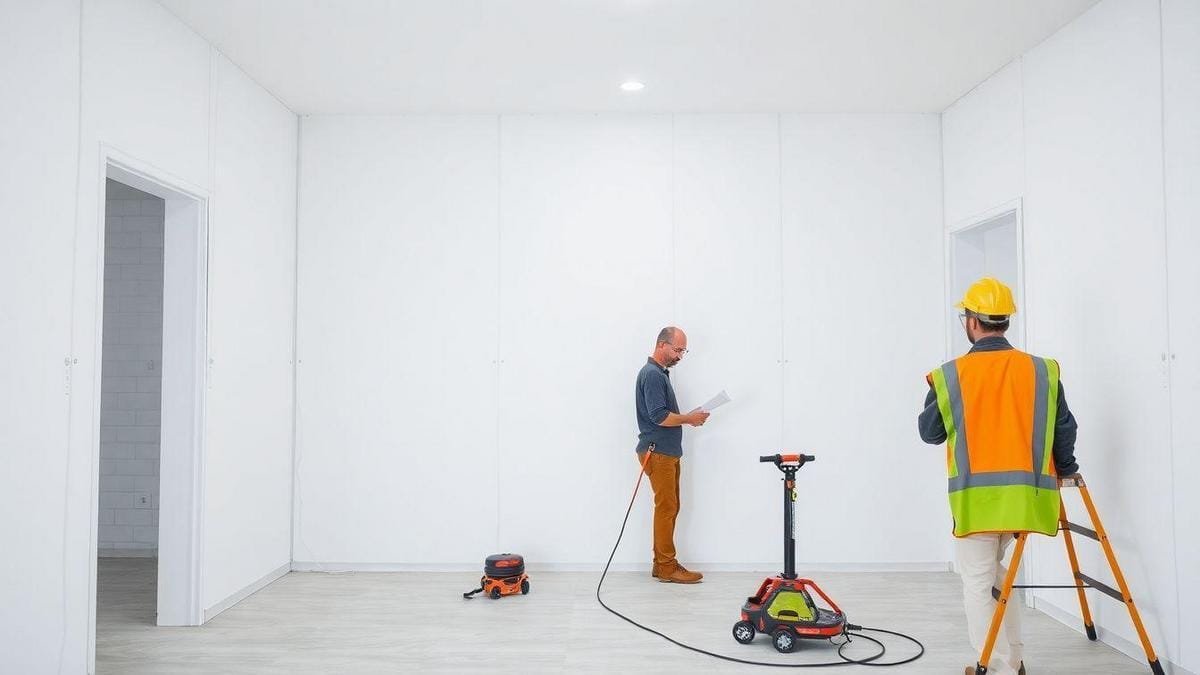
Install drywall may seem like a complicated task, but with the right instructions, you can get the job done efficiently. Here's a simplified step-by-step for you:
- Materials needed:
- Drywall sheets
- Metal profiles
- Drywall screws
- Gasket tape
- Putty
- Tools: drill, saw, level, tape measure and trowel
- Installation steps:
- Planning: Define the layout of the partitions. Measure the space and draw a sketch.
- StructureInstall the metal profiles on the floor and ceiling, following the measurements in your project.
- Fixing the PlatesCut the drywall sheets to size and fix them to the profiles with the screws.
- FinishingApply the tape to the joints and cover with the putty. Sand for a smooth finish.
By following these steps, you will achieve a drywall installation that is not only functional, but also visually pleasing.
Common Installation Mistakes and How to Avoid Them
When working with drywall, some mistakes can arise. Here are the most common and how to avoid them:
| Common mistake | How to Avoid |
|---|---|
| Incorrect measurements | Always use a tape measure and double check. |
| Badly fixed screws | Use the drill at the correct setting to avoid damaging the boards. |
| Poorly finished joints | Apply the putty in thin layers and sand between applications. |
Avoiding these mistakes will ensure that your work has a more professional end result.
Best Practices for a Perfect Finish
For a finish that impresses, follow these tips:
- Choosing the doughUse good quality putty for a smooth finish.
- SandingSand the joints after the putty has dried for a smooth touch.
- PaintingApply a quality paint to enhance the beauty of the drywall. For more details on painting, see this painting guide.
With these best practices, you'll have a result that will leave anyone in awe.
Advantages of Drywall in Residential Projects
Benefits of Simple Drywall
O drywall is a popular choice for those wishing to build or renovate. Here are some of the benefits of using drywall on your building site:
- Lightness: Drywall sheets are lighter than traditional materials, making them easier to transport and install.
- Speed: Assembly is fast, which means you can complete your project in less time.
- Isolation: Drywall offers good acoustic and thermal insulation, making rooms more comfortable.
- FlexibilityYou can create different formats and designs to suit your needs.
Comparison with Other Building Materials
When you compare drywall with other materials, such as masonry or wood, Some differences stand out:
| Features | Drywall | Masonry | Madeira |
|---|---|---|---|
| Weight | Lightweight | Heavy | Moderate |
| Installation time | Quickly | Slow | Moderate |
| Cost | Accessible | Generally high | Variable |
| Acoustic insulation | Good | Excellent | Good |
| Durability | Good (with maintenance) | High | Treatment-dependent |
Why Choose Drywall for Partitions?
Choosing drywall for partitions has several advantages. As well as being a practical solution, you can customize rooms according to your style. Drywall is ideal for those looking for agility e efficiency.
Let's say you want to divide up a space to create a home office. With drywall, you can do this quickly and without a lot of mess. What's more, if you decide to change the layout again, removing and installing new partitions is simple.
Drywall Finishes and Coatings
Types of Finish for Drywall Walls
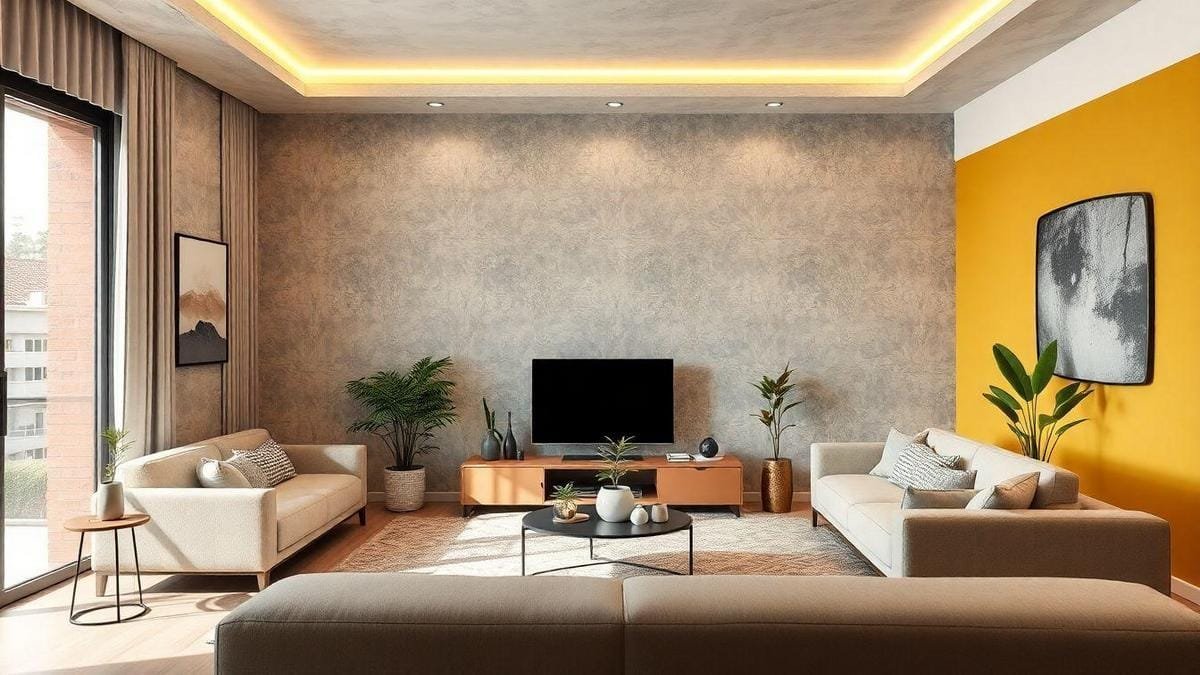
When you think of drywall finishes, There are a few options that can transform the look of your space. Here are the most common types:
- TextureIt can be applied with a roller or spray. It's a good choice for disguising imperfections.
- PaintingChoose acrylic or enamel paint, which are durable and easy to clean.
- CoatingsWallpaper or wood paneling can add a special touch.
How to paint and decorate your drywall structure
To paint your drywall, follow these simple steps:
- Preparation: Sand the surface to remove imperfections.
- CleaningUse a damp cloth to remove dust.
- PrimaryApply a coat of primer for better adhesion.
- PaintingUse a roller or brush to apply the paint. Start at the edges and then fill in the center.
Tips for a Durable Finish
- Choice of materials: Use high-quality paint. This will ensure that the color lasts longer.
- Correct applicationDon't forget to apply a second coat if necessary.
- Maintenance: Clean the walls regularly to maintain the look.
Drywall Care and Maintenance
How to Repair Drywall Structures
Making repairs to drywall structures may seem like a simple task, but it requires attention e care. Here's a step-by-step guide to make it easy for you:
- Identify the problemLook closely at the damaged area. It could be a crack, a hole or a dented area.
- Gather the Necessary Materials:
- Spatula: To apply the putty.
- Drywall puttyTo fill holes and cracks.
- SandpaperTo make the surface smooth.
- Wallpaper or Paint: For finishing.
- Prepare the areaClean the area around the damage. Remove any dirt or dust.
- Apply the puttyUse a spatula to spread the putty over the damaged area. Spread it out well and fill in all the holes.
- Sand the surfaceAfter the putty has dried, sand it gently until it is level.
- Finish: Paint or wallpaper to match the rest of the wall.
Maintenance Tips to Increase Durability
Here are some practical tips to make your drywall structures last longer:
- Avoid humidity: Drywall doesn't do well with water. Use dehumidifiers in damp areas.
- Inspect regularly: Have it checked every six months. This helps to catch problems before they get too big.
- Use Quality Products: When buying putty and paints, choose recognized brands. This can make a difference to durability.
Essential Care for Drywall Structures
To keep your drywall structures in top condition, follow these recommendations:
| Care | Description |
|---|---|
| Cleaning | Use a dry cloth to remove dust. |
| Quick Repairs | Don't leave holes or cracks for too long. |
| Protection | Place protections in the most vulnerable areas. |
| Avoid Impacts | Be careful when moving furniture close to walls. |
By following these guidelines, you can ensure that your drywall structures remain in good condition. strong e beautiful for much longer.
Conclusion
Now that you've learned how to make a drywall structure for partitions, it's time to get down to work! Remember that planning e preparation are essential for a satisfactory result. Use the the right tools, choose the suitable materials and follow each process step carefully. By avoiding common mistakes and apply the best practices, you will guarantee a perfect and durable finish.
Be sure to explore the subject further and improve your skills. Visit the website Renovation Tips for more articles that can help you with your renovation and construction projects!
Frequently asked questions
1. What is drywall?
Drywall is a lightweight material used for walls and partitions.
2. How do I make a drywall structure for partitions?
Use metal profiles and plasterboard. Assemble the structure first.
3. What tools do I need?
You will need a drill, saw, level and tape measure.
4. What is the initial step?
Mark where the wall will be and position the profiles on the floor and ceiling.
5. How to fix the profiles?
Use screws to fix the profiles to the floor and ceiling.
6. Do I need help cutting the boards?
If you need to, use the saw or ask someone for help.
7. How do I install the drywall?
Fix the plates to the bottom and top metal profiles with screws.
8. Is finishing necessary?
Yes, finish with tape, putty and sand it smooth.
9. How long does it take to install?
Depending on the size, it can take from a day to a few days.
10. What should I do if I want to run electrical cables?
Make cuts in the boards before assembly. Plan where the cables will go.
11. Can I use drywall in damp areas?
Yes, there is moisture-resistant drywall. Look for this type.
12. Is drywall heavy?
No, drywall is light and easy to handle.
13. Is it worth doing at home?
Yes, it's a quick and practical option for dividing up spaces.

I'm passionate about sharing the fascinating world of engineering. In this blog, we'll embark on a journey through innovative projects, cutting-edge technologies and the challenges of construction. If you're an enthusiast, a student or just curious about how things are built, this is the place for you! Get ready to uncover the secrets behind bridges, buildings, tunnels and other engineering marvels.